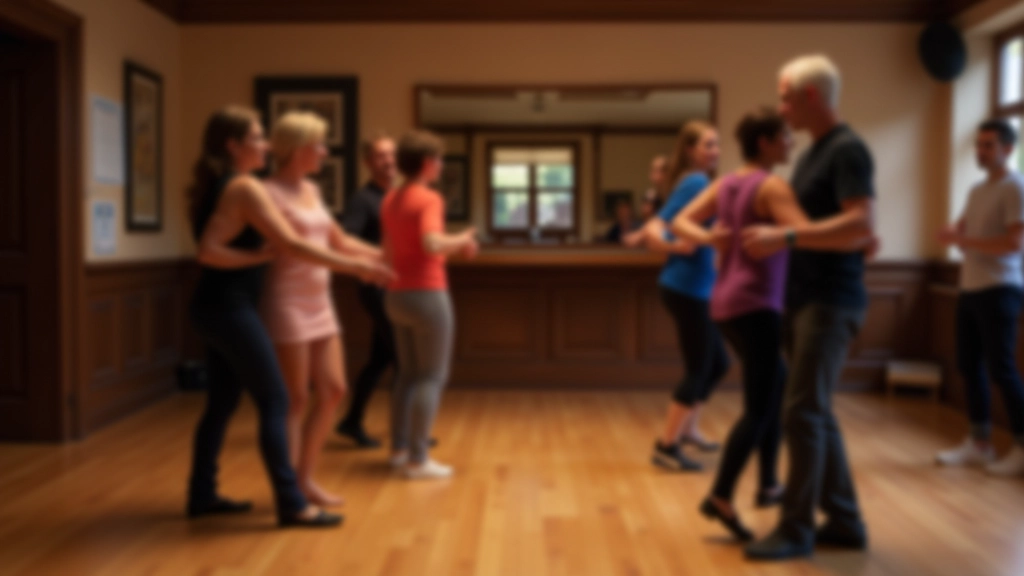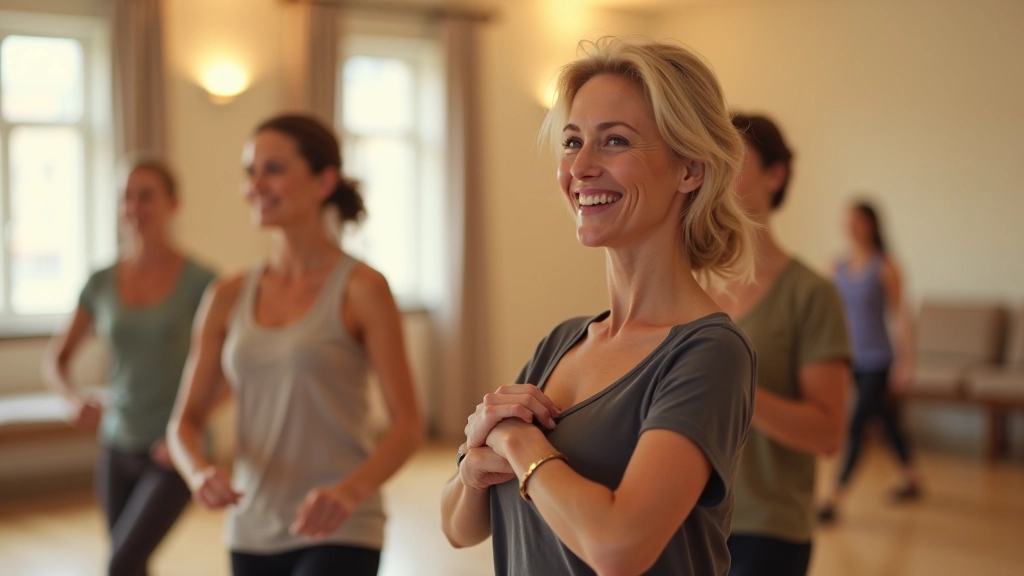
Salsa Fundamentals Over 45: Getting Started Right
Discover why salsa's rhythm is easier to learn than you'd think. We'll walk you through basic timing, footwork, and confidence-building tips for mature beginners.
Why Salsa Works for Beginners Over 45
Starting salsa at 45 or older isn't just possible — it's actually ideal. You're bringing maturity, patience, and body awareness that younger dancers often lack. Salsa's basic rhythm is straightforward once you understand the counting system, and the partner connection means you're never dancing alone. It's social from day one.
The footwork looks more complicated than it is. Most beginners spend their first few weeks learning just three core elements: the basic step, timing, and how to move with a partner. That's genuinely it. You don't need flexibility, strength, or any special physical ability — just willingness to try.

Understanding Salsa Timing
Here's the secret: salsa uses 8 beats, not 8 steps. Most people count 1-2-3, pause, 5-6-7, pause. The pause on 4 and 8 is where the music breathes. You're not moving on those beats — you're holding or styling. Once you hear it, it clicks fast.
Your instructor will teach you to feel the clave rhythm — that's the heartbeat pattern underneath everything. It's repeated throughout the song. Listen for it in your first class. You'll notice it's the same pattern over and over. That consistency is what makes salsa learnable. You're not memorizing 100 different moves. You're repeating the same few patterns with variations.
Pro tip: Count out loud in your first few classes. Don't worry about looking silly. Everyone does it, and it's how your brain locks in the timing.
This article provides educational information about salsa dancing for mature beginners. It's not a substitute for instruction from a qualified dance teacher. If you have any health concerns or physical limitations, check with your doctor before starting any new physical activity. Everyone's body is different, and a good instructor will adapt movements to suit your needs.
The Basic Step: Breaking It Down
The basic salsa step (called the basic box or forward-back basic) has three parts. On beat 1, you step forward with your left foot. On beat 2, you bring your right foot to meet it. On beat 3, you close your left foot. That's half the pattern. Beats 5-6-7 mirror it going backward. You're moving forward, together, together — back, together, together.
Your weight transfer is key. When you step on 1, your weight fully moves to that foot. On 2, you step but keep your weight. On 3, you close the feet and shift weight. It's not complex movement — it's intentional weight placement. Most people get this right by their third or fourth class. Your hips will move naturally once your feet know where they're going.
1
Step forward left foot (beat 1)
2
Step right foot in place (beat 2)
3
Close left foot to right (beat 3)

Dancing with a Partner: Building Connection
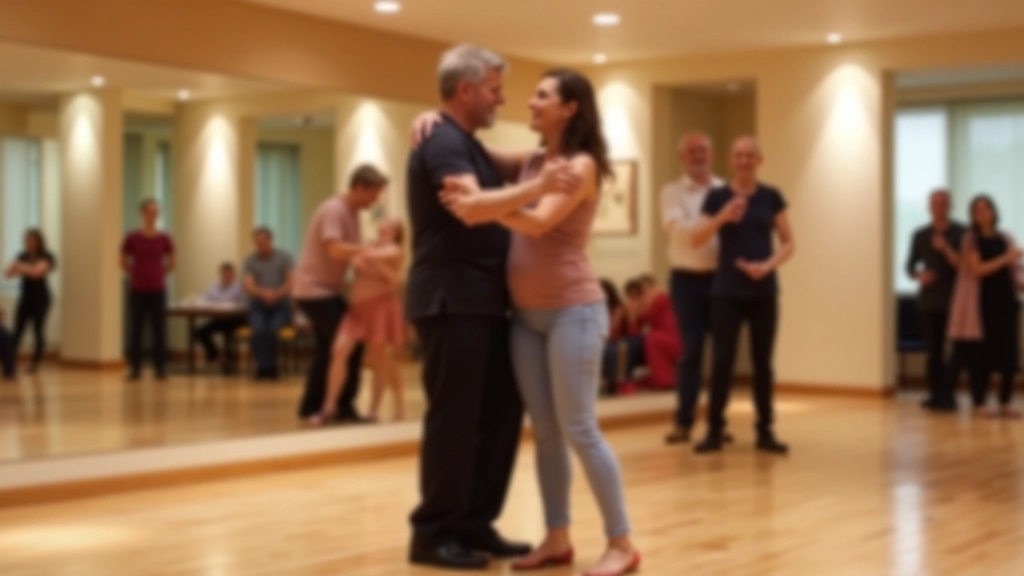
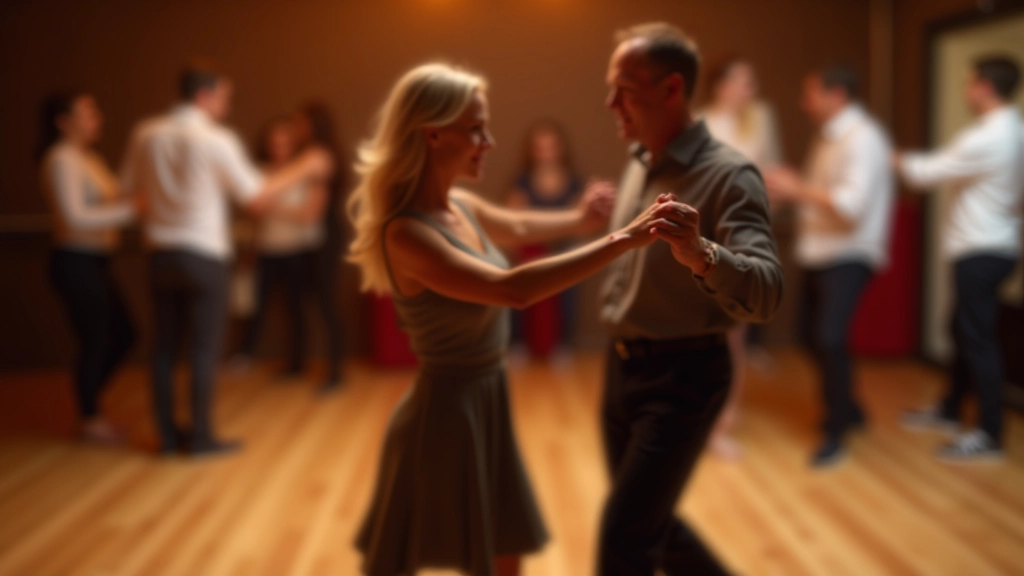
Salsa is a partnership dance. The leader (traditionally the man) guides with frame and subtle pressure. The follower (traditionally the woman) feels that signal and responds. This isn't rigid — it's communication through touch. You're not gripping your partner. You're maintaining a frame: his right hand on her back, her left hand on his shoulder, and both holding a hand connection to the side.
What makes salsa unique is that you don't need to memorize the same routine. The leader initiates a basic pattern, and the follower responds to that pattern. Once you both know the basic, you can add variations — spins, turns, styling — and still move together. It's structured improvisation. You're having a conversation with your body.
Don't worry if your first few rotations feel awkward. That's normal. You're learning to feel someone else's weight and respond to it. By week 4 or 5, that starts to feel natural. And here's something nobody mentions: mature dancers often pick this up faster than younger ones because they're not self-conscious about it. You're there to learn, not to impress.
Building Confidence: What to Expect in Your First Month
Week 1 is always overwhelming. You're hearing new terms (clave, basic, lead, follow), feeling music in a new way, and trying to coordinate feet while maintaining a frame with another person. That's a lot. Everyone in the room felt exactly this on their first night. Your instructor knows this. They'll start slow and build.
By week 3, you'll realize you can do the basic without thinking about every foot. Your body remembers the pattern. That's when it gets fun because your brain can focus on other things — listening to the music, feeling the frame, maybe adding a simple spin. That's also when you'll notice other people in your class becoming friends. You're sweating together, laughing at mistakes, and celebrating small wins. The social part is real.
By week 6 or 8, you'll have genuinely good basics. You can dance multiple songs without thinking about footwork. You can lead or follow without that panicked feeling. You might even start dancing at social events. That's not years away — that's two months of regular classes.
"I wasn't sure if I could learn this at my age. Honestly thought I'd be the oldest one there and everyone would judge me. First class was scary but the instructor was patient and nobody cared how old anyone was. Now I'm here every Tuesday and Thursday."
— Margaret, 52, started salsa 6 months ago
Starting Your Salsa Journey
Salsa at 45+ is absolutely doable. The timing system makes sense once explained. The footwork is repetitive and learnable. The partner connection is the whole point — you're never dancing alone. And the maturity you bring to the dance floor is actually an advantage. You're not trying to be flashy. You're there to move, connect, and have fun.
Start with beginner classes specifically. Don't jump into mixed-level sessions. Look for instructors who've taught mature students — they understand that your body might need different cuing, and that's fine. Most cities and towns in Ireland have beginner classes running year-round. Try one. Worst case, you spend an hour moving to music. Best case, you discover something that changes your social life.
The rhythm is waiting. The dance floor is ready. You've got this.