
First Steps in Bachata: A Beginner's Guide
Learn the basic steps, rhythm patterns, and how to find your partner in this social dance style that's perfect for beginners.
Balance, cardiovascular health, coordination, and social connection. Dancing isn't just fun — it's actually good for your body and mind at any age.
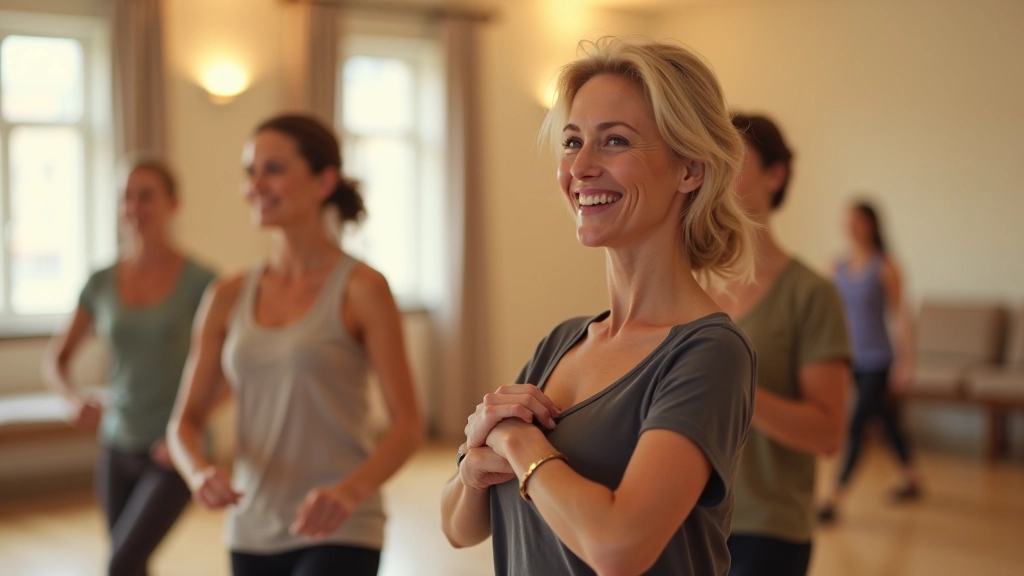
You've probably heard that movement is good for you. But dancing isn't just another workout — it's something different. When you're 45 or older, your body needs different kinds of attention. We're not talking about high-impact training or extreme fitness regimes.
Dancing offers a combination that's hard to find anywhere else: it challenges your balance and coordination, gets your heart pumping at a moderate intensity, builds social connections, and honestly, it feels good. No gym required. No judgment. Just movement that works.
Falls are one of the biggest health risks for people over 45. They happen quietly — a slip on stairs, a moment of lost balance reaching for something. Research shows that regular dancing improves proprioception, which is your body's awareness of where it is in space.
When you're learning bachata or salsa, you're constantly adjusting your weight, shifting side to side, and maintaining connection with a partner. These movements train your stabilizer muscles — the ones your body uses to stay upright in everyday life. You're not doing it in a clinical way on a balance board. You're doing it while music plays and you're actually enjoying yourself.
Studies show that people who dance regularly have significantly better balance scores than sedentary adults of the same age. One 12-week study found that dancers improved their balance by 18% compared to non-dancers. That's real, measurable improvement.
Running isn't for everyone. Neither is high-impact aerobics. But your heart still needs conditioning. This is where social dancing becomes brilliant — it's moderate-intensity cardio that doesn't feel punishing.
A 60-minute bachata or salsa session burns 200-300 calories, depending on intensity and your body weight. More importantly, it elevates your heart rate to about 60-70% of maximum, which is exactly where you want to be for cardiovascular benefit without overexertion. You're not breathless and unable to talk. You can chat between songs. But you're definitely working.
Regular dancing improves circulation, reduces blood pressure, and strengthens your heart muscle. One study found that adults who danced 2-3 times per week for six months showed improvements in aerobic fitness comparable to traditional cardio exercise — but with significantly better adherence rates. People stick with dancing because they actually like it.
This article presents educational information about the general health benefits of dancing for mature adults. It's not medical advice. If you have specific health concerns, existing injuries, or medical conditions, consult with your doctor or healthcare provider before starting any new physical activity. Always start at your own pace and listen to your body.
Your brain gets older too. That's just biology. But dancing is one of the few activities that challenges both your body and your mind simultaneously. You're processing rhythm, remembering sequences, reacting to a partner's movements, and maintaining balance all at once.
This multi-tasking element is what makes dancing so valuable for cognitive health. Research on brain aging shows that activities requiring coordination and rhythm processing activate multiple brain regions, particularly those involved in memory and executive function. A study published in research on aging found that dancers over 65 had significantly better cognitive function scores than non-dancing controls, independent of other factors.
Learning new dance patterns creates new neural pathways. You're literally building brain resilience. And unlike memorizing facts, you're doing it in a social context with music and enjoyment — which makes the learning stick better.
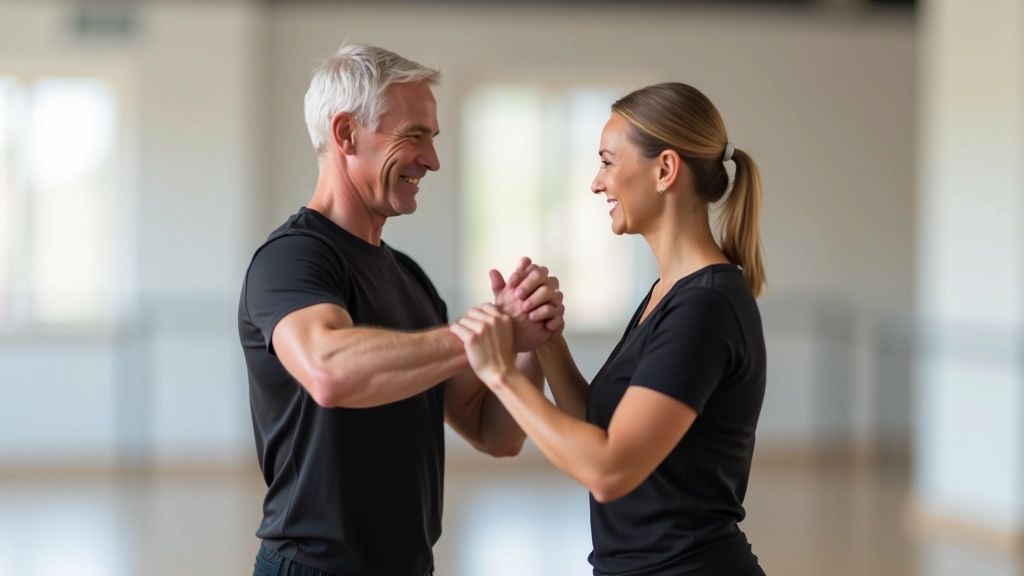
Bachata, salsa, swing, or something else. Pick something that sounds fun to you, not what you think you "should" do. You'll stick with it better.
Look for instructors who teach absolute beginners. No judgment, no pressure. You're there to learn and have fun, not perform.
Give yourself time to get past the awkward phase. Most people feel more comfortable after 6-8 weeks of regular attendance.
Attend 2-3 times per week if possible. Consistency matters more than intensity. It becomes something you look forward to.
The Social Connection Factor
This might be the most underestimated benefit. Dancing isn't a solo activity. You're learning with other people, moving with a partner, and being part of a community. Loneliness is a serious health risk for older adults — it correlates with increased mortality rates comparable to smoking or obesity.
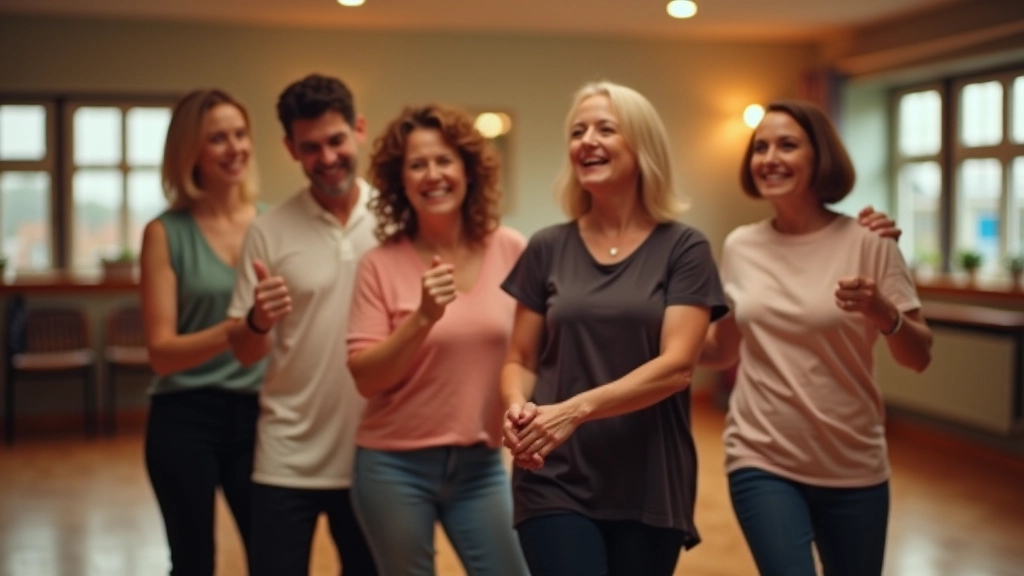
Social dancing addresses this directly. You're not isolated in a gym. You're connecting with other people who share your interest. You're laughing when someone messes up a step. You're celebrating when it finally clicks. You're making friends who you see regularly.
Studies show that people who participate in group dance classes report significantly higher life satisfaction, better mood regulation, and stronger social networks. The combination of physical activity, social interaction, and music creates a synergistic effect that's more powerful than any single element alone.